
Once In Decade Event Shapes Outback SA
Once In Decade Event Shapes Outback SA
- 1 March, 2026
- Latest News
- Photos & Media
2026: A Once‑in‑Decades Event Shaping the South Australian Outback
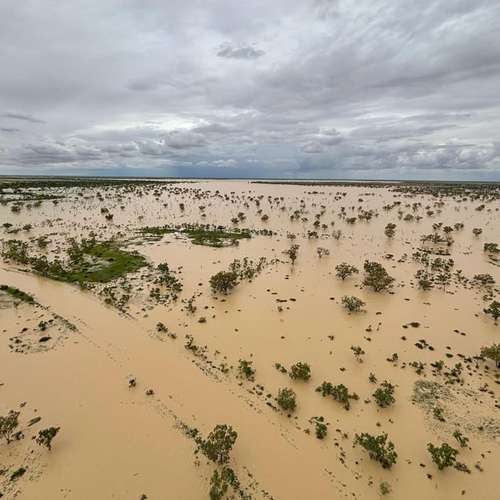
The remote expanse of outback South Australia is currently in the grip of what may be the most significant weather event in decades, the kind that reshapes landscapes and brings huge inland systems to life. In early 2026, widespread heavy rainfall across central and northern Australia — from Queensland through to inland South Australia, has triggered extensive flooding throughout the dry interior, pushing water down the network of inland rivers toward Kati Thanda‑Lake Eyre. This is the largest inflow the region has seen in many years, with the potential to rival historic fills like those recorded in 1974. (ABC News)
The Kati Thanda‑Lake Eyre Basin covers more than 1.2 million square kilometres and includes major catchments such as the Georgina, Diamantina and Thomson‑Cooper river systems. These channels normally lie bone‑dry, but when rain occurs, especially heavy, sustained rain, they become conduits for floodwaters that travel vast distances. Water is now moving through those channels and into the lake system, rapidly raising levels across floodplains. (ABC News)
What This Means for Visitors & Travellers
If you are considering a visit to see this extraordinary natural event, it’s essential to plan carefully. Most outback roads are currently closed due to flooding and inundation, particularly unsealed tracks such as the iconic Oodnadatta and Birdsville Tracks that provide access to the Lake Eyre region. These closures are necessary because floodwaters make terrain impassable and dangerous, even for 4WD vehicles. Many major dirt and bitumen roads remain cut off, isolating smaller settlements and making travel highly unreliable. (ABC News)
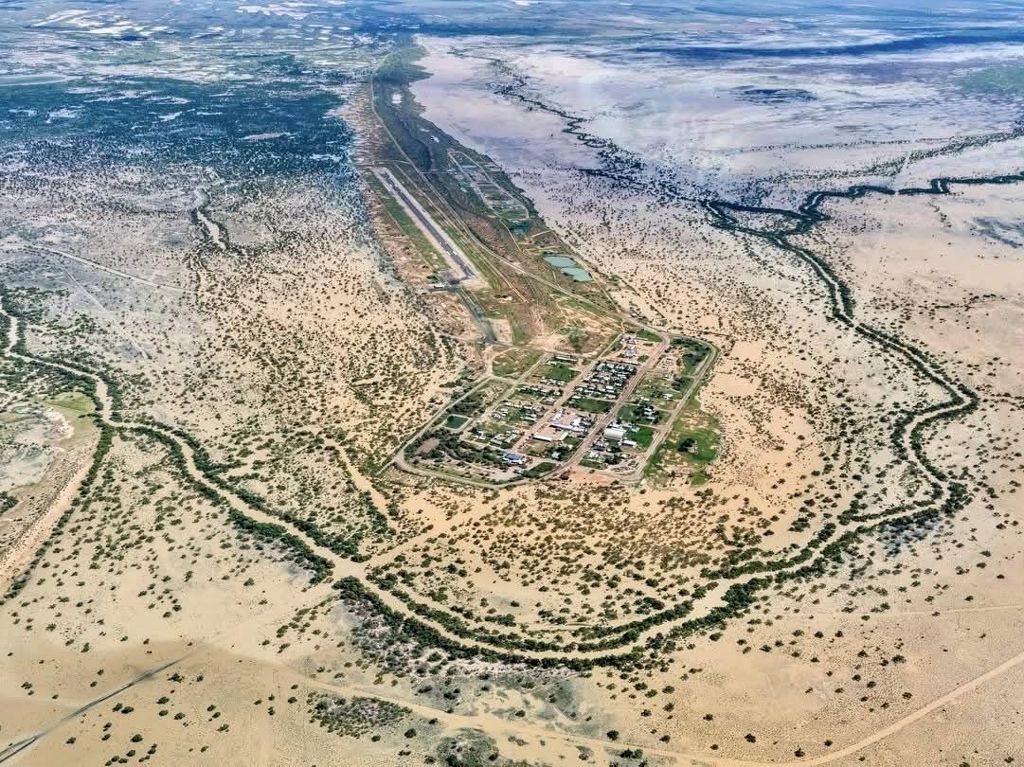
Remote communities are feeling the effects, too. Places like William Creek, normally connected by tracks like the Oodnadatta Track, have been cut off from road access because of water covering the landscape. Towns and small airstrips are likely to need significant repair work before regular services can resume. Communications infrastructure has also been disrupted in areas where lines run across flood‑affected terrain. (ABC News)
Before setting out:
♦ Check the latest road and track conditions through official South Australian transport and emergency services agencies.
♦ Avoid attempting remote travel unless roads are officially open and you have the right equipment and experience.
♦ Outback conditions change rapidly — what’s passable one day may be impassable the next.
Infrastructure Impact & Recovery
The flood event has placed considerable strain on regional infrastructure. Roads and rail corridors have been submerged or damaged across wide parts of South Australia’s north and into adjacent states, affecting travel and supply routes. Heavy rainfall has overwhelmed drainage systems, washed out track surfaces, and necessitated closures for safety. Even sections of the East‑West rail corridor are being assessed for flood damage. (ARTC)
Restoration efforts will take time. Once floodwaters recede, local authorities and state agencies will need to undertake extensive cleanup and repair work, grading out roads, rebuilding washed‑away sections, and restoring access to remote airstrips. These tasks are not quick, especially across such a vast and sparsely populated region. (InfraTransport)
A Silver Lining: Wildflowers, Birds & Natural Regeneration
While the immediate impacts of flooding are challenging, there is a brighter side to the story. Flood‑soaked ground and elevated water tables set the stage for a potential wildflower boom later in the season. After extended dry periods, significant soil moisture means seeds that have lain dormant for years can germinate and burst into colour, carpeting the outback in vibrant floral displays. Visitors who time their trip for spring may be rewarded with one of the most spectacular wildflower seasons in memory. (Reddit)
The renewed water in the landscape also benefits native species. Waterbirds and other wildlife are drawn to the inundated plains and wetlands, offering a rare chance for birdwatchers and nature enthusiasts to witness large flocks and increased biodiversity around the lake basin. (ABC News)
It Will Be Worth the Wait
There’s no doubt that the current weather event is disruptive. But events like these are part of the natural cycle of Australia’s inland river systems, and they transform the landscape. When Kati Thanda‑Lake Eyre fills significantly, it becomes one of the largest inland water bodies on the continent. That spectacle, combined with the ecological burst that follows, attracts photographers, travellers and scientists alike.
The message for now? Exercise caution. Respect road closures. Wait until conditions improve. And when they do, the transformation of this arid outback into a vibrant, water‑filled expanse will be an unforgettable sight. (ABC News)
Once In Decade Event Shapes Outback SA
1 Mar 2026
Flood Waters 2026 in S.A. outback!
1 Mar 2026


2025 The filling of Lake Eyre!
4 Jun 2025